
CB Radio Antenna Guide: How to Choose, Mount, and Tune One That Actually Works
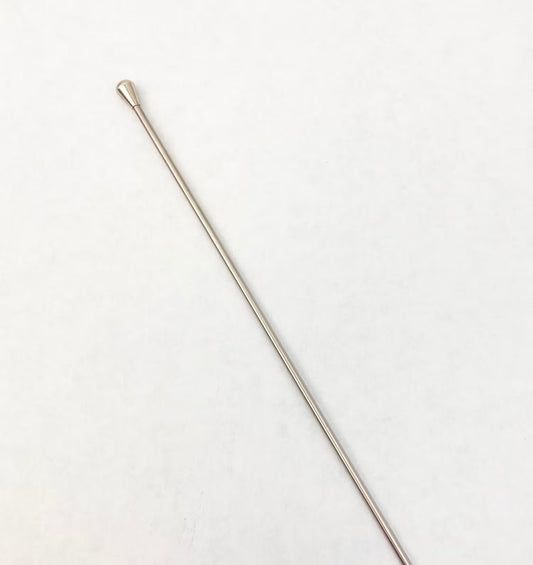
A new CB radio can sound disappointing when the antenna is poorly placed, badly connected, or out of tune. Before buying a longer whip or more powerful gear, check the whole setup: antenna, mount, ground plane, coax, and SWR.
CB operates around 27 MHz, where a quarter-wave antenna is roughly 108 inches long. Shorter antennas can work, but they use loading coils to fit a shorter space, and usually give up some efficiency. The right choice depends on your vehicle, mounting options, and how much antenna you can accommodate.
Diagnose the setup before you shop
Start with the basics. Make sure the antenna is fully seated, the coax is not pinched or sharply bent, and the connectors are tight and free of corrosion. Check that the radio and antenna system are designed for CB frequencies and 50-ohm coax.
Next, look at the mount. A good antenna needs more than a mechanical attachment: it also needs an effective RF counterpoise, often provided by the vehicle’s metal body. A loose mount or poor electrical connection can cause high SWR and weak performance, even with a quality antenna.
If the radio has little or no range, check SWR before replacing parts. A damaged coax, poor mount ground, or incorrectly tuned whip may be the real problem. A larger antenna or linear amplifier will not fix those faults. Amplifiers also boost interference, and transmitting outside the limits for CB equipment can violate regulations and damage your radio.
For more practical troubleshooting, see our guide to radio antenna accessories and reception.
Choose an antenna that fits your use
The “best CB radio antenna” is the one that fits your vehicle, can be mounted securely, and can be tuned. A longer antenna is generally more efficient, but height, placement, and a sound ground connection matter too.
A full-length quarter-wave whip is about 108 inches at 27 MHz. Many mobile antennas are shorter and use coils to electrically lengthen the antenna. A compact whip may be easier to park with, but don’t expect a low SWR reading to prove it will outperform a longer antenna. SWR measures how well the system is matched, not how efficiently it radiates.
Browse CB mobile antennas to compare styles. For a home station, see CB base antennas.

Pick a mount that suits your vehicle
For a metal-roofed car or truck, the center of the roof is usually the best place for an antenna: it gives the antenna a broad, relatively even ground plane. A magnetic mount is convenient and does not require drilling. A permanent mount can provide a more secure installation, while a mirror mount is often practical on trucks.
| Mount type | Good fit for | Main trade-off |
|---|---|---|
| Magnetic mount | Temporary or no-drill installations on a steel roof | Easy to move, but relies on the metal surface for RF coupling and must be kept secure |
| Permanent NMO or 3/8-inch stud mount | A more fixed installation | Secure mounting; may require drilling and careful sealing |
| Clamp-on mirror mount | Trucks with a suitable metal mirror bracket | Convenient location, but the mirror and bracket need a reliable RF bond to the vehicle |
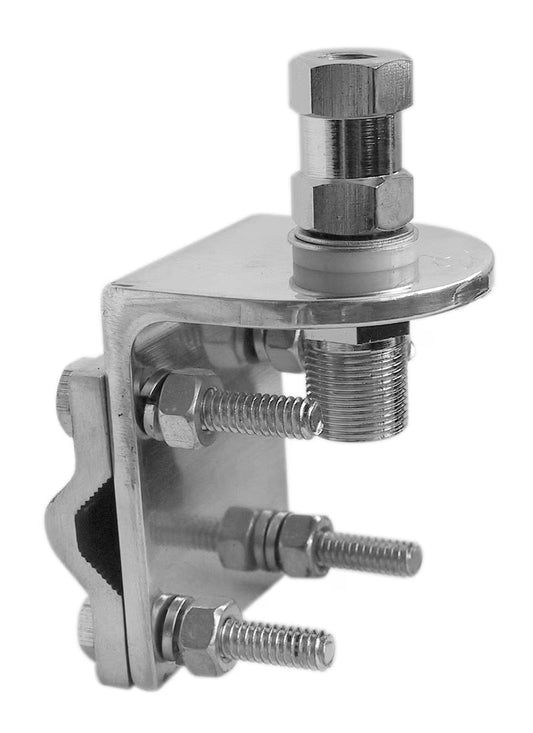
CB mounts commonly use a 3/8-inch stud or an SO-239 socket. A coax cable with a PL-259 plug connects to an SO-239 socket. NMO is another mounting style, but check that the mount, antenna, and connector are all compatible before ordering. Our antenna accessories and mounts include different mounting options.
Watch out: A magnet will not hold to a fiberglass roof, and fiberglass itself is not a metal ground plane. On vehicles without a suitable metal surface, use an antenna system designed for that installation rather than assuming a magnetic base will work.
On a truck, aim for the highest practical position with as much of the antenna above the cab as possible. A mirror mount can work well when installed on a grounded metal bracket, but it is generally less balanced than a center-roof mount. Check the mount’s instructions and add a bonding strap if the bracket is electrically isolated.
Install coax and connectors carefully
Use 50-ohm coax for a standard single-antenna CB installation. RG-58 is thin and flexible, and can be suitable for a short mobile run. RG-8X is thicker and typically has lower loss, making it a solid choice for a longer run or when you want a sturdier cable. On a typical vehicle-length run, the difference may be modest; a damaged cable or poorly fitted connector is a much bigger concern.
Keep coax away from sharp edges, moving parts, heat, and places where doors or panels can crush it. Don’t choose cable length based on a supposed magic number: follow the antenna maker’s instructions and use a practical, tidy run. For cable and connector options, visit coax and connectors.
A spring can help protect an antenna from bumps, and a quick disconnect makes it easier to remove a tall whip when parking or entering a garage. Both add convenience, but they need to be compatible with your antenna and mount. If you’re replacing only a worn whip or antenna component, check replacement whips and antenna parts.
How to tune a CB antenna with an SWR meter
Tune the antenna after it is mounted and connected to the radio. A meter reading taken on a bench, or before the antenna is in its final location, may not match the installed setup.
- Park in an open area, away from buildings and large metal objects. Close the doors and keep people clear of the antenna.
- Connect the meter in line between the radio and antenna, following the meter’s instructions. Use a short jumper if required.
- On channel 1, switch the meter to FWD or CAL. Briefly transmit and set the meter as directed.
- Switch to REF or SWR, transmit briefly again, and note the reading.
- Repeat on channel 40. Keep transmissions short and avoid transmitting if the meter shows a dangerously high reading.
- Adjust the antenna according to its instructions, then recheck both channels. If channel 1 reads higher, the antenna is usually electrically short and needs to be lengthened. If channel 40 reads higher, it is usually too long and needs to be shortened.
Aim for SWR below 2:1 across the band; around 1.5:1 or lower is a good target when achievable. If SWR stays high on both channels, stop adjusting the whip and inspect the mount ground, coax, and connectors. An SWR meter can help you diagnose the setup; see our meters and test equipment.
Watch out: Don’t keep transmitting to test a high SWR. A serious mismatch can put stress on the radio. A low SWR also does not guarantee good range: it indicates a match, not necessarily an efficient antenna installation.
When a bigger antenna is, and isn’t, the answer
A longer, properly installed antenna can improve performance compared with a very short, loaded whip. But a bigger antenna won’t repair a bad ground, damaged coax, or poor connector. Nor will an amplifier solve weak reception caused by installation problems; it can amplify noise along with wanted signals.
If you have checked the antenna system and still suspect the radio, browse CB and other two-way radios. For a replacement part or compatibility question on a particular radio, use our CB radio parts by brand directory.
Scott Radio & Electronics is owned and operated by a 100% disabled American veteran in Gulf Shores, Alabama. Jack personally handles the gear, and orders are packed carefully to help delicate equipment arrive safely. If you’re unsure which mount, whip, or connector fits your setup, email Jack at jwltrscott@gmail.com or call toll free at (833) 835-8226.
Frequently asked questions
What is the best CB radio antenna?
The best antenna is the longest practical model you can mount securely and tune correctly. A well-installed antenna with a good ground plane often outperforms a more expensive antenna mounted poorly.
How do I tune a CB antenna with an SWR meter?
Connect the meter between the radio and antenna, take readings on channels 1 and 40, then adjust the whip according to the antenna maker’s instructions. Aim for below 2:1 on both channels, ideally around 1.5:1 or lower.
Where should I mount a CB antenna on my truck?
The center of a metal roof is a strong choice when practical. On many trucks, a grounded mirror bracket is a workable alternative. Keep the antenna as high and clear as you reasonably can.
Do I need a ground plane for a CB antenna?
Most mobile CB antennas need a counterpoise, typically supplied by the vehicle’s metal body. Fiberglass does not provide that metal ground plane, so use an antenna system designed for vehicles without one.
Why does my CB radio have no range?
Check the antenna connection, coax, mount ground, and SWR before replacing the radio. A poorly tuned antenna or faulty connection is a common cause of poor range; terrain and local interference can also affect communication.