
CB Antenna Versus Magnetic Mount Explained
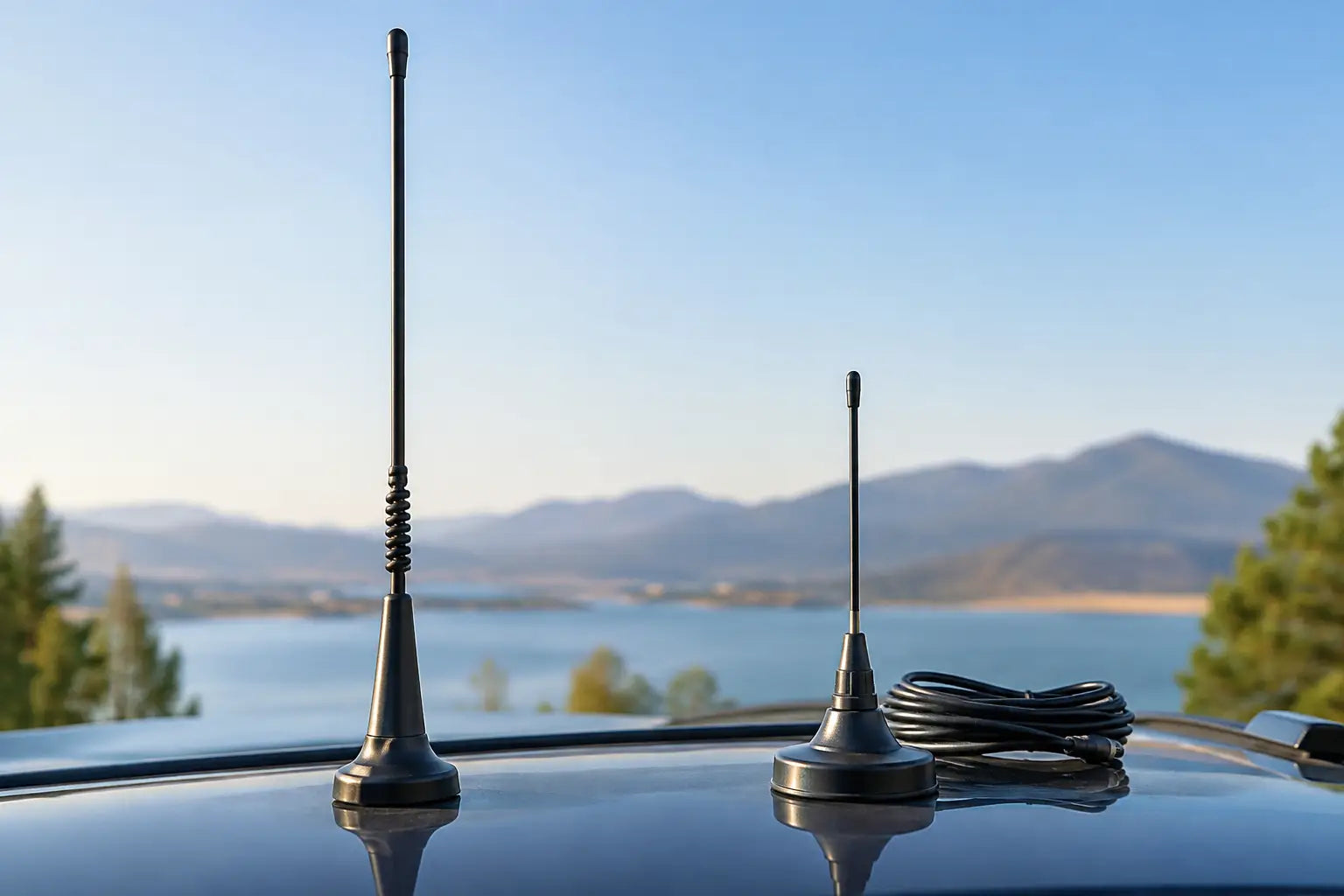
A CB antenna versus magnetic mount comparison can get confusing fast because these are not always opposing products. A magnetic mount is the base that holds an antenna to your vehicle. The real choice is usually between a magnet-mounted antenna system and a permanently mounted CB antenna system. Get that distinction right first, and you will avoid buying a perfectly good antenna that does not fit the way you actually use your truck, car, Jeep, or work vehicle.
A magnetic mount can be a smart, reliable setup. A permanent mount can be the better long-haul answer. Neither is automatically king of the road. Vehicle type, antenna location, desired range, paint condition, and how often you remove equipment all matter.
CB Antenna Versus Magnetic Mount: What Are You Comparing?
A CB antenna is the radiating element that sends and receives your signal. It may be a short loaded whip, a fiberglass antenna, a center-loaded model, or a tall stainless-steel whip. It needs a mount, coaxial cable, and a properly tuned installation to do its job.
A magnetic mount uses a powerful magnet, usually with coax attached, to secure an antenna to a steel body panel. Put it on a clean metal roof, attach the antenna, route the coax into the cabin, check SWR, and you are in business. No drilling required.
A permanent mount is fastened to the vehicle through a hole, bracket, stake-pocket mount, mirror arm, bumper mount, or another fixed location. Depending on the mount and antenna style, it may use the vehicle body as a ground plane or may be part of a no-ground-plane system designed for special installations.
So the honest comparison is not antenna versus mount. It is a magnetic-mount antenna installation versus a fixed-mount antenna installation. That little bit of radio vocabulary matters, especially when replacing older components or matching parts to a specific vehicle setup.
When a Magnetic Mount Makes Sense
Mag mounts have earned their place in CB radio for good reasons. They are ideal for drivers who need a removable installation, cannot drill into a leased vehicle, or switch the radio between vehicles. A clean roof-mounted magnet antenna can also perform surprisingly well because the roof provides a broad, centered metal ground plane.
For a weekend off-road rig, a road-trip vehicle, or a car that only carries a CB during certain seasons, a magnetic mount is hard to beat for convenience. You can install it in minutes, remove it before a car wash, and store the whole setup when it is not needed. That is a real advantage, not a compromise to be embarrassed about.
The best magnetic-mount location is generally the center of a steel roof. That gives the antenna the most even ground plane and the cleanest radiation pattern. A trunk lid, rear quarter panel, or hood edge can work, but performance becomes more directional and SWR adjustment may be less forgiving.
There are limits. A magnetic mount will not adhere to aluminum, fiberglass, plastic, or many composite body panels. It also needs a clean surface. Dirt under the magnet can scratch paint, and a poorly routed coax cable can get pinched in a door or hatch. Pinched coax is not character. It is a problem waiting to show up on your meter.
Magnetic Mount Strength and Cable Care
A larger magnet base generally offers more holding strength, but it is not a license to ignore common sense. Remove the antenna before high-speed car washes, severe weather, low-clearance garages, or any situation where a tall whip may strike an obstacle. A sudden antenna strike can damage the mount, coax, antenna stud, and vehicle finish in one expensive moment.
Route the coax carefully. Avoid sharp kinks, crushed sections, and long coils bundled tightly under the dash. Excess cable should be laid out loosely where practical. Do not cut coax randomly just because it looks too long. Cable length can affect the installation and tuning behavior, and a clean SWR reading is more useful than a shortcut with wire cutters.
When a Permanent CB Antenna Mount Wins
If the CB stays in the vehicle full-time, a fixed mount is usually the more durable choice. It is less likely to shift, it is easier to weatherproof properly, and it gives you more options for larger antennas and purpose-built mounting locations. For truckers, serious trail users, farm equipment operators, and anyone who depends on CB communications regularly, that stability matters.
A permanent roof mount often delivers excellent performance because it places the antenna high and near the vehicle’s center. A properly installed NMO-style mount or other drilled mount can be extremely clean, mechanically solid, and weather resistant. Yes, drilling a hole in a good roof can make people nervous. Done correctly, it is a professional installation, not a crime scene.
Mirror mounts and stake-pocket mounts are popular on pickups and commercial trucks. Fender and hood-channel mounts can be useful when roof access is impractical. Each location has trade-offs. Mounting low on the vehicle, near the bed, or against a cab creates an uneven ground plane and can favor transmission in one direction. It may still be the right choice if clearance, access, and vehicle construction rule out a roof mount.
A permanent mount also demands more attention during installation. The mount must have solid electrical bonding where the antenna design requires it. Paint, powder coating, corrosion, loose hardware, and weak ground straps can all turn a promising installation into an SWR headache. The antenna is only one part of the system. The mount, coax, connector, radio, and vehicle bonding have to pull together.
Range Depends on More Than the Mount
Many operators expect a taller antenna or permanent mount to instantly double their range. Sometimes a better location and antenna will make a dramatic difference. Other times, the change is modest because CB performance is governed by several factors at once: antenna height, ground plane, tuning, terrain, traffic noise, radio condition, and the station on the other end.
A high-quality magnetic mount centered on a steel roof can outperform a poorly installed permanent mount on a bumper. That surprises people, but physics does not care how permanent the hardware looks. On the other hand, a carefully installed fixed mount with a quality antenna often has the edge for long-term reliability, higher antenna placement, and demanding use.
Do not judge an antenna setup solely by advertised wattage or a claim of “extra range.” A CB antenna must be tuned for the radio and vehicle. Use an SWR meter and check the readings on channels 1 and 40. An SWR that is high or changes sharply across the band can point to an antenna-length adjustment, poor ground plane, damaged coax, bad connector, or mount issue.
As a practical target, many operators aim for SWR at or below 1.5:1 across the channels they use. Lower is generally better, but do not chase a perfect number while ignoring real-world function. A stable, safely tuned installation with clear transmit and receive audio is the goal.
Choosing the Right Setup for Your Vehicle
Choose a magnetic mount if you need removability, use multiple vehicles, drive a leased vehicle, or have a steel roof and want an efficient installation without drilling. It is also a strong starting point for someone returning to CB after years away from the hobby. You can learn what antenna height and location work for your driving before committing to a permanent install.
Choose a permanent mount if the radio is a working tool, your vehicle is dedicated to towing, off-road travel, highway use, or field work, or you want a cleaner long-term installation. It is especially worth considering when you need a larger antenna that would put too much leverage on a magnetic base.
For Jeeps, fiberglass-bodied vehicles, aluminum-body trucks, and vehicles with little usable steel, the answer may be neither a typical roof mag mount nor a simple universal bracket. Those applications often need a vehicle-specific bracket, a carefully bonded mount, or a no-ground-plane antenna system. This is where generic advice gets people into trouble. Check the vehicle body material and the antenna manufacturer’s mounting requirements before ordering parts.
Scott Radio & Electronics knows the difference between a random accessory and the exact piece that gets a radio installation back on the air. Whether you are preserving an older mobile rig or building a fresh setup, match the mount, coax, antenna, and connector style before you start turning wrenches.
The best CB antenna setup is the one that fits your vehicle, survives your driving routine, and tunes correctly. Mount it where it has room to work, protect the coax, verify SWR before transmitting hard, and your radio will have a far better chance of being heard when it counts.