
Best Radio Noise Filters for Cleaner Mobile Audio
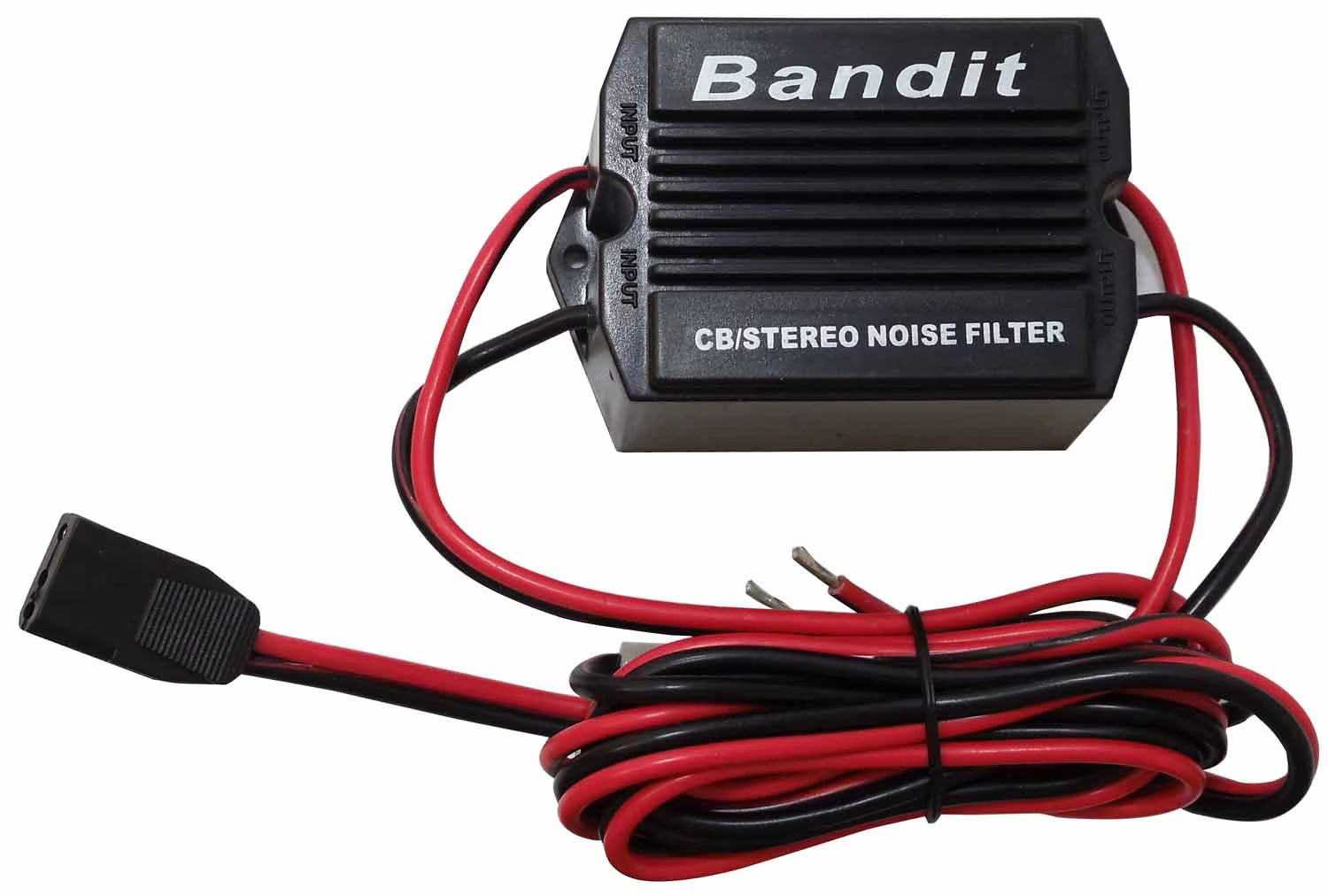
That high-pitched whine that rises with engine RPM is not “just how mobile radio sounds.” Neither is ignition crackle, injector buzz, or the ugly digital hash that rolls across a quiet channel. The best radio noise filters can clean up a CB, ham, or two-way radio installation, but only when the filter matches the noise path. Buy the wrong box, install it in the wrong place, and you have added one more shiny part without fixing a thing.
For mobile operators, truckers, off-road crews, and anyone keeping an older radio on the road, the first rule is simple: identify whether the noise is entering through the power leads, antenna system, speaker/audio path, or the radio itself. QUALITY MATTERS, but diagnosis matters first.
Best Radio Noise Filters Start With the Noise Source
A radio can receive unwanted noise in more than one way. That is why a single “universal noise filter” claim deserves a raised eyebrow. The right answer depends on what changes the noise, when it appears, and where it disappears.
If the noise follows engine speed, suspect the charging system, vehicle grounds, or alternator ripple. If it arrives as sharp popping that increases under acceleration or load, look at ignition components, fuel injectors, electric fans, relays, and accessory motors. If the radio becomes noisy only when transmitting, or the speaker squeals with RF, you may be dealing with RF feedback instead of dirty DC power.
Here is the quick field test: run the radio with the engine off. Then start the engine. Turn on headlights, blower motor, wipers, phone chargers, auxiliary lights, and other accessories one at a time. Change channels and bands if your radio allows it. A noise that remains on every channel and changes with RPM is usually not an antenna reception problem. A noise that appears only on one frequency range may be coming in through the antenna.
Do not overlook the obvious. A loose battery connection, corroded chassis ground, worn spark plug wire, failing alternator diode, or bargain-bin USB charger can produce more noise than a filter can reasonably hide.
The Filter Types That Actually Earn Their Keep
DC power-line noise filters
For alternator whine and electrical trash traveling through the radio’s positive and negative power leads, a properly rated DC power-line filter is the usual first choice. These filters use inductors and capacitors to reduce conducted noise before it reaches the radio. They are especially useful in mobile CB and amateur installations that pick up noise as soon as the engine starts.
Current rating is not a suggestion. Check the radio’s maximum transmit current, then choose a filter rated comfortably above it. A small filter intended for a low-draw receiver may overheat, restrict voltage, or fail when a 50-watt mobile radio keys up. Big power radios, amplifiers, and accessories need their own correctly sized power wiring and filtering strategy.
Mount the filter close to the radio if the goal is to keep noise from reaching the radio through the final section of the power lead. Keep the leads short, use adequately sized wire, and do not coil extra wire into a tidy little RF choke unless that is specifically part of the plan. Neat is nice. Correct is nicer.
Ferrite chokes and snap-on cores
Ferrite is one of the most useful tools in the noise-fighting drawer because it targets RF and high-frequency common-mode noise. A snap-on ferrite core around a power lead, speaker cable, microphone cord, control cable, or accessory lead can reduce noise that a DC filter does not touch.
Ferrite works best when it is placed on the cable carrying the unwanted energy. One core may help, but several turns through a suitable core often work better when cable length permits. The ferrite material also matters. A core that helps with HF RF may not be the best choice for VHF, UHF, or switching-noise frequencies.
This is a place for patience, not parts cannon behavior. Add ferrite to one lead, test, and move it if necessary. If a microphone cord causes RF feedback during transmit, ferrite near the radio end is a sensible starting point. If a noisy LED light is radiating through its power cable, treat the light’s wiring near the source.
Antenna-line common-mode chokes
If the noise comes in through the antenna, filtering the radio’s DC power line will not cure it. An antenna-line common-mode choke can help prevent the outside of the coax shield from acting like a receiving antenna for vehicle noise. This is particularly valuable when a mobile antenna mount, coax routing, or bonding arrangement lets the vehicle body become part of the problem.
A choke is not a substitute for a sound antenna installation. Check the mount, coax connector, bonding straps, ground plane requirements, and cable routing first. Keep coax away from noisy power harnesses and electronic control modules when practical. On older vehicles, this basic work often delivers a bigger improvement than any add-on filter.
Audio isolation filters
Audio filters solve a narrower problem: noise entering an external speaker, powered speaker, recording device, or other audio connection. They can be useful when a ground loop creates alternator whine in an amplified speaker system. They do not belong in the main DC power path, and they will not repair RF entering through a bad antenna feed line.
If the radio’s built-in speaker is clean but the external speaker whines, that points toward the audio wiring or speaker power arrangement. An audio isolation filter may be exactly the right tool. If both speakers are noisy, go back to power and antenna diagnosis.
What to Check Before Buying a Radio Noise Filter
The best purchase is the one that fits the electrical job and the radio you are preserving. Before ordering, confirm the system voltage, the radio’s maximum current draw, wire gauge, connector type, and available mounting space. A 12-volt passenger vehicle, a heavy truck with a 24-volt system, and a bench power supply are not interchangeable situations.
Also consider the radio’s age and design. A vintage Browning, Robyn, Royce, or Radio Shack rig may have different grounding behavior than a newer President, Galaxy, Ranger, Connex, Icom, or Yaesu mobile radio. Older equipment can be more sensitive to supply noise, but it can also have internal electrolytic capacitors, solder joints, or shield connections that deserve inspection. Do not expect an external filter to cure an internal repair issue.
For a mobile installation, direct battery power with an appropriately fused positive lead and a solid negative return is usually the baseline. Many installers prefer a direct negative return to the battery for stubborn noise cases; others use a short, secure chassis ground where vehicle design supports it. The answer depends on the vehicle and the noise path. What matters is low resistance, clean metal where required, secure hardware, and sensible routing.
Installation Mistakes That Keep the Whine Alive
The most common mistake is placing a good filter after a long run of noisy wire, then allowing that same wire to sit beside the radio, microphone cable, and coax. Another is grounding a radio to a painted bracket with a loose self-tapping screw and calling it done. A third is adding filters without addressing the source, especially a bad alternator or a cheap switching accessory.
Avoid sharing radio power with cigarette-lighter adapters, inverters, LED controllers, refrigerators, dash cameras, and high-current accessory circuits. Separate routing is cheap insurance. Cross power wiring and coax at right angles when they must meet, rather than running them side by side for several feet.
After installing a filter, test receive noise with the engine off and on, then key the transmitter at normal power. Watch for voltage drop, heat at the filter or connections, changed SWR behavior, and RF feedback. If the radio sounds cleaner but transmit audio becomes weak or unstable, stop and inspect the installation. A quiet receiver is not worth starving the radio of voltage.
A Better Way to Build a Quiet Mobile Station
Start with the vehicle’s electrical health. Then use clean, fused radio power, correct grounding, smart cable routing, and a properly installed antenna. Add a DC filter for conducted supply noise, ferrite for RF or high-frequency cable noise, and a coax choke when the antenna line is carrying common-mode junk. That order prevents a lot of wasted money.
Scott Radio & Electronics is built for the operator who knows that “close enough” is not the same as an exact-fit part. Whether you are restoring a classic CB or cleaning up a working mobile rig, match the filter to the symptom, verify the ratings, and give the installation the same respect you give the radio. Your ears will know the difference the first time the channel goes quiet.
